





What Drives Civilization

An Interactive Learning Experience

Select Your Level

B1
Intermediate
★★
B2
Upper-Intermediate
★★★
C1
Advanced
Powered by MIM Language Services

What Drives Civilization

Level: B2 (click to change)
What Drives Civilization
Bicycle

Fear

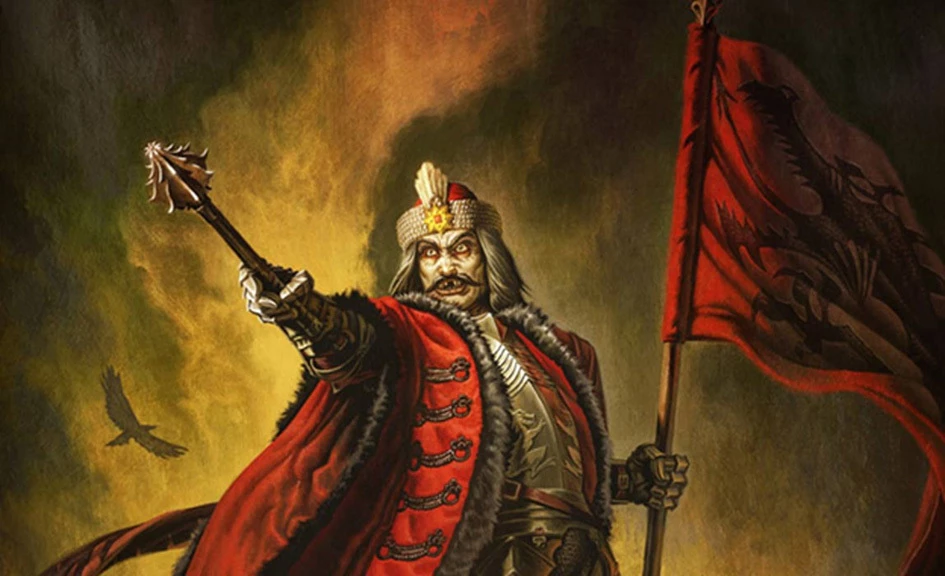
Fear is a feeling everyone knows. All people feel fear. Some societies use fear to control people. They say: "If you do bad things, we will punish you very badly." This can make society safe, but it can also hurt many people. Leaders like Draco and Genghis Khan used fear to control their people.

Fear is the most basic emotion in the human brain. People in all cultures understand fear. A society built on fear works in one simple way: the threat of terrible punishment is the only sure way to keep order. In history, this system has created both great stability and great human suffering. When we look at leaders like Draco and Genghis Khan, we see the clear choice between using terror efficiently and destroying human dignity.

Fear constitutes perhaps the most primordial emotion encoded in human neurobiology, a universal constant transcending cultural boundaries. Societies predicated upon fear operate through a straightforward mechanism: the implicit or explicit threat of severe retribution serves as the ultimate guarantor of social order. Historically, such systems have yielded paradoxical outcomes - simultaneously fostering remarkable stability whilst perpetuating profound human suffering. An examination of figures such as Draco of Athens and Genghis Khan illuminates the inherent tension between the pragmatic efficacy of terror and the erosion of human dignity it inevitably entails.

Fear

Efficiency of Fear

Fear can make society safe very quickly. In ancient Athens, a man called Draco made new laws. His laws were very strict - you could die for stealing! But the laws stopped families from fighting each other.

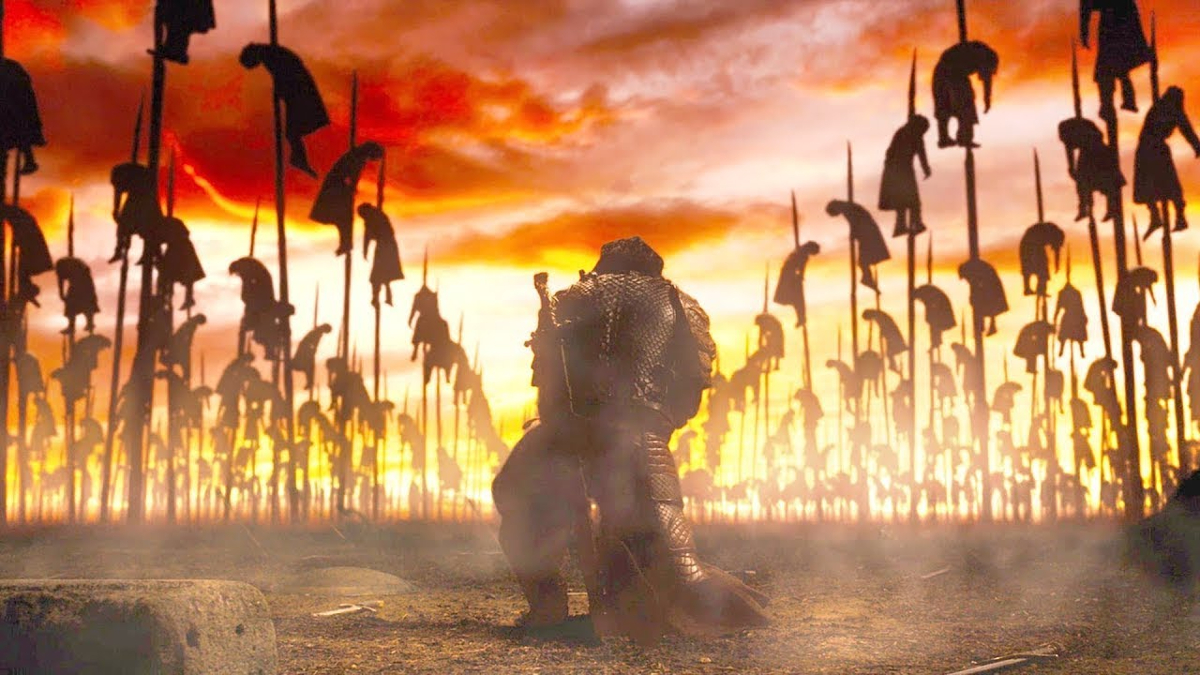
Genghis Khan also used fear. He built a huge empire. People were so scared that nobody stole anything. A person could walk across Asia with gold and be safe. Fear stopped crime and helped trade.

The main benefit of a fear-based system is that it can create quick and equal stability. In 7th-century BCE Athens, Draco replaced a chaotic system of private family fights with written laws. His laws were very harsh - even small crimes like theft could get the death penalty - but they worked to centralize power and stop the cycle of family revenge.

Similarly, Genghis Khan used fear of total destruction to build the Mongol Empire. This created the Pax Mongolica, a time when people said a traveler could carry gold from one side of Asia to the other without being robbed. In these cases, fear worked to reduce crime and make trade safer.

The principal virtue of fear-based governance lies in its capacity to establish rapid, impartial stability. In 7th-century BCE Athens, Draco's codification of law supplanted a fragmented system of private blood feuds with centralized jurisprudence. Despite the draconian severity of these statutes - whereby even petty theft warranted capital punishment - they effectively consolidated state authority and terminated the perpetual cycle of vendetta justice.

Analogously, Genghis Khan wielded the spectre of annihilation as an instrument of empire-building. The resultant Pax Mongolica represented an unprecedented era of transcontinental security; contemporary accounts suggest a traveller might traverse the breadth of Asia bearing gold with impunity. In such instances, fear demonstrably suppressed criminality and facilitated commercial exchange.

Efficiency of Fear

Costs of Fear

But fear has big problems. It stops people from having new ideas. It makes society weak.

  • Not fair: Draco's laws punished accidents the same as crimes. If you hurt someone by mistake, you got the same punishment as a murderer. Later, Solon changed these bad laws.
  • Not stable: People get used to fear. Then the government must be more and more cruel. This usually ends badly - people fight back or the system breaks.

However, the problems of fear-based systems are very destructive. Fear-based government stops new ideas and creates a weak social system.

  • Injustice: Draco's laws did not separate accidents from crimes done on purpose. The law could not see the difference, so Solon eventually cancelled these laws.
  • Instability: Ruling by terror needs to keep getting worse. When people get used to punishment, the state must use even more cruelty to stay in control. This often causes the system to collapse or people to revolt.

Nevertheless, the inherent deficiencies of fear-based governance prove ultimately corrosive. Such systems systematically stifle innovation and engender structural fragility within the social fabric.

  • Systemic Injustice: Draconian jurisprudence failed to distinguish between inadvertent harm and premeditated malice - a fundamental categorical error that Solon would subsequently rectify through comprehensive legal reform.
  • Inherent Instability: Governance through terror operates according to a logic of escalation; as populations habituate to existing punitive measures, the state must perpetually intensify its coercive apparatus to maintain compliance. This trajectory invariably culminates in either systemic collapse or revolutionary upheaval.
Costs of Fear

Shame

In some societies, people behave well because they don't want others to think badly of them. This is called a "shame culture." People care a lot about what their family and neighbours think. If you do something bad, everyone knows and you feel ashamed. This is different from feeling guilty inside yourself - shame comes from other people judging you.

A shame-based society (also called an "honor-shame" culture) uses social pressure from others and the fear of being excluded to keep order. Unlike guilt-based societies, where people control themselves with their own conscience, shame-based systems care most about how the group sees you. This creates a strong but often strict social system.

Shame-based societies - frequently designated as "honour-shame" cultures in anthropological literature - derive their regulatory mechanisms from communal surveillance and the implicit threat of social ostracism. In contradistinction to guilt-based societies, wherein behavioural regulation proceeds through internalized conscience, shame-based systems privilege external perception as the primary determinant of conduct. This configuration engenders cohesive yet frequently rigid social structures wherein individual autonomy remains circumscribed by collective judgement.

Shame

The Case for Social Cohesion

Shame cultures can be very strong. The Japanese Samurai had a code called Bushido. It was about honour and doing the right thing. If a Samurai was a coward or a liar, he and his whole family would be shamed. Nobody would respect them anymore. This made Samurai very brave and honest.

Today, shame cultures often have less crime because people want to protect their family's good name.

The main benefit of a shame-based system is its strong ability to create group responsibility and self-control. The Bushido code of the Japanese Samurai is a good historical example. Bushido focused on gi (doing what is right) and meiyo (honor). A warrior's value depended on his public honesty and integrity. Because one act of cowardice or dishonesty would bring "social death" to the person and their whole family, this code created very disciplined and loyal leaders. Today, this way of thinking can lead to high cooperation in society and low crime, because people are very motivated to protect their community's reputation.

The paramount virtue of shame-based systems resides in their formidable capacity to cultivate collective accountability and autonomous self-regulation. The Bushido code of feudal Japan's Samurai class exemplifies this phenomenon. Centred upon the principles of gi (righteousness) and meiyo (honour), Bushido predicated a warrior's social standing upon demonstrable integrity and probity. Given that a single instance of cowardice or duplicity would precipitate "social death" for both the individual and their extended kinship network, this ethical framework produced extraordinarily disciplined and unwavering retainers.

In contemporary contexts, analogous cultural frameworks frequently correlate with elevated social cooperation and diminished crime rates, as individuals remain acutely motivated to safeguard their community's collective reputation.

Social Cohesion

The Cost of External Judgment

But shame cultures have problems too. They can hurt people who are weak, especially women.

  • Unfair to women: In some countries, family honour depends on what women do. Women cannot choose their own education or husband.
  • Dangerous control: If a woman does something the family doesn't like, they might stop her from going out, or worse. Some families even hurt or kill women to "save" their honour. This is very wrong.

The problems are found in limiting individual rights and keeping social inequality. Because "honor" is often connected to traditional power structures, it often hurts the most vulnerable people. In the end, while shame can create an orderly and loyal society, it often does this by sacrificing the individual to what the group thinks.

  • Gender Oppression: In parts of India and various Muslim-majority countries, the idea of izzat (honor) or sharaf is often unfairly placed on women's behavior.
  • The "Honour" Trap: When a woman's actions—from her education choices to whom she marries—are seen as the only measure of a family's status, shame becomes a tool for extreme control.

The inherent limitations of shame-based governance manifest in the systematic curtailment of individual liberties and the perpetuation of structural inequities. Given that conceptions of "honour" typically remain tethered to established hierarchies of power, such systems disproportionately burden society's most vulnerable constituencies.

  • Gendered Oppression: Throughout South Asia and numerous Muslim-majority nations, concepts such as izzat or sharaf become disproportionately inscribed upon female comportment, rendering women the primary custodians of familial reputation.
  • The Honour Apparatus: When feminine conduct constitutes the singular metric of familial standing, shame transmutes into an instrument of totalizing control.
Cost of External Judgment

Pride

Some societies are built on pride. People want to be heroes! They want others to respect them for being brave or strong. They want people to remember them after they die. Vikings and Celts were like this. They didn't follow rules because of fear or shame—they wanted to be the best and win glory.

A pride-based society (often called "heroic" or "contest" cultures by anthropologists) is driven by the search for personal respect, fighting ability, and a lasting legacy. Unlike fear-based systems that demand obedience or shame-based systems that demand conformity, pride-based cultures encourage people to be better than their peers through extraordinary achievements.

Pride-based societies—characterized in anthropological discourse as "heroic" or "contest" cultures—derive their animating force from the pursuit of personal honour, martial prowess, and enduring legacy. In contradistinction to fear-based systems demanding compliance or shame-based configurations requiring conformity, pride-based cultures actively incentivize individuals to transcend their peers through superlative accomplishment.

For Blood and Glory!

Pride societies create amazing achievements! Vikings and Celts earned their place by being brave, not by being born rich.

  • Be remembered forever: Vikings were not afraid of death—they were afraid of being forgotten! This made them explore new lands and do great things.
  • Protect yourself: In some African tribes like the Maasai, a man's pride in defending his animals means he doesn't need police.

The main benefit of a pride-based society is its amazing ability to drive individual achievement and community strength. In Viking and Celtic cultures, a person's social position was not just inherited but earned through drengskapr (courage and integrity) or bravery in battle.

  • The Immortality of Reputation: This belief created the "heroic age" mentality, where the fear of death was less important than the fear of being forgotten.
  • Self-Governance: In many herder societies, like the Nuer or Maasai, a "culture of honor" based on pride works as protection without needing an army.

The cardinal virtue of pride-based societies lies in their remarkable capacity to galvanize individual accomplishment and communal resilience. Within Viking and Celtic cultural matrices, social stratification was not merely inherited but actively earned through demonstrations of drengskapr (courage coupled with integrity) or martial valour.

  • The Immortality of Reputation: This ideological framework engendered the "heroic age" mentality, wherein the apprehension of mortality paled before the dread of obscurity.
  • Autonomous Governance: Among pastoral societies such as the Nuer or Maasai, honour cultures predicated upon pride function as de facto security apparatuses.

An Eternal Contest

But pride has big problems. Everyone wants to be number one, so there is always fighting.

  • Never-ending fights: If someone insults you, you must fight back or look weak. This creates long family wars that last for generations.
  • Can't work together: The Celts were brilliant people, but they could never unite. When the Romans came, the Celts lost because they couldn't fight together.

The problem with this system is the natural instability of a society where everyone is competing for the top position.

  • The Cycle of Revenge: When pride is the most important thing, any insult must be answered to avoid losing status. This leads to endless "blood feuds."
  • Weak Cooperation: Pride-based societies often struggle to form large, united countries. The Celts were famously unable to unite against the Roman Empire.

The fundamental liability of this paradigm resides in the inherent instability of societies predicated upon perpetual competition for supremacy.

  • The Vendetta Cycle: When pride constitutes the paramount value, every affront demands reciprocation to preserve standing. This imperative generates interminable "blood feuds."
  • Cooperation Deficits: Pride-based societies characteristically struggle to coalesce into larger political formations. The Celts notoriously failed to mount unified resistance against Roman expansion.

Guilt

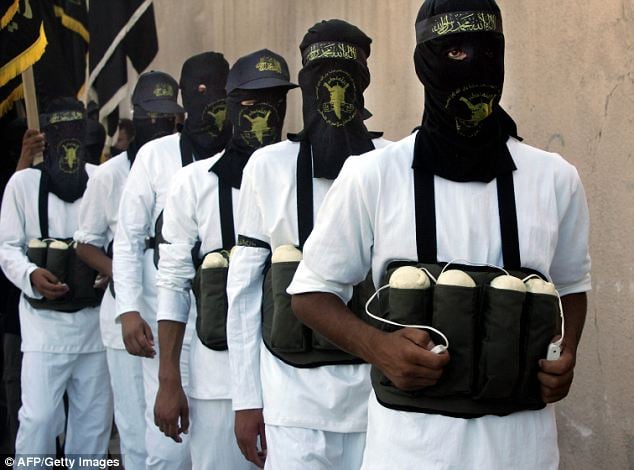
In guilt cultures, people control themselves. You don't need police or neighbours watching you. You have a voice inside you—your conscience—that tells you what is right and wrong. If you do something bad, you feel guilty even if nobody knows. Western countries like America and Europe are mostly guilt cultures.

A guilt-based society depends on an internal moral code—a "conscience"—to control behavior. Unlike fear (enforced by the state) or shame (enforced by the community), guilt is self-controlled. It is the main force in individualistic societies, where the person is an independent moral being responsible for their own good behavior.

Guilt-based societies derive their regulatory mechanisms from internalized moral codes—the phenomenon commonly designated as "conscience." In contradistinction to fear (administered through state coercion) or shame (mediated by communal surveillance), guilt operates as an autonomous, self-governing faculty. It constitutes the predominant regulatory force within individualistic societies.

The Case for Internalized Integrity

The good thing about guilt is that people behave well even when alone. Nobody is watching, but you still do the right thing.

  • Socrates said: Doing bad things hurts your soul. If you really understand what is right, you won't want to do wrong.
  • Christianity: Christians believe that sin is wrong against God, not just wrong against other people. So you feel guilty even if no human sees you.

The main benefit of a guilt-based system is its ability to keep order even when no one is watching. Because the "judge" is yourself, people are motivated to act ethically whether they are being watched or not.

  • The Philosophical Foundation: Socrates argued that doing wrong harms the soul more than any external punishment could.
  • Stoic and Christian Development: Christianity developed this through the idea of "sin" as a personal wrong against God, moving morality from public performance to internal relationship.

The paramount virtue of guilt-based systems resides in their capacity to maintain social order absent external surveillance.

  • Philosophical Foundations: Socrates articulated this principle through his contention that wrongdoing inflicts greater harm upon the perpetrator's soul than any external sanction could impose.
  • Stoic and Christian Elaborations: Christianity refined this through the doctrine of "sin" as personal offense against the divine, relocating morality from public performance to internal relationship.

The Cost of the Internal Judge

But guilt has problems too. It can hurt your mind and make you lonely.

  • Too much pressure: If everything is your fault, you carry a heavy weight. People often get anxiety and depression.
  • Lonely people: If everyone follows their own conscience, people stop caring about the group. Modern Western societies often have lonely people who have no community.

The problem with this system is the possibility of mental breakdown and social isolation.

  • Mental Burden: In a guilt-based culture, failure is completely your own responsibility. Guilt can become a constant, damaging weight, leading to anxiety and depression.
  • Breaking Down Community: By making individual conscience more important than social harmony, these societies can become separated and isolated.

The inherent liabilities of this paradigm manifest in the potential for psychological deterioration and social atomization.

  • Psychological Burden: Within guilt-based cultures, failure constitutes an exclusively personal responsibility. Guilt may metastasize into a persistent, debilitating weight.
  • Communal Dissolution: By privileging individual conscience over collective harmony, such societies risk fragmentation and isolation.

Envy

Some societies are based on envy. This often happens in communist countries. The idea is: everyone should be equal. But instead of making poor people richer, these societies make rich people poorer. If your neighbour has more than you, that's not good—it's a crime!

An envy-based society is often the unintended result of "basic communism" or extreme equality movements. While the stated goal is social justice, the working method often changes from "raising the bottom" to "pulling down the top." In this system, a neighbor's success is not seen as an example to copy, but as a crime against the collective.

Envy-based societies frequently emerge as the inadvertent consequence of "primitive communism" or radical egalitarian movements. Whilst the ostensible objective remains social justice, the operative methodology often transmutes from "elevating the disadvantaged" to "suppressing the successful."

The Case for Radical Equality

Envy societies can do some good things. They can destroy unfair old systems and give everyone basic needs.

  • Soviet Union: At first, the USSR ended the old Russian class system. They gave everyone education and jobs.
  • Everyone together: Because nobody can be much richer than others, people feel equal. There are no very rich or very poor people.

The main benefit of an envy-based structure is its effectiveness at destroying old aristocracies and making sure everyone has basic survival needs met.

  • The Promise of the Soviet Union: In its early stages, the USSR successfully destroyed the Tsarist class system, providing education and jobs for everyone.
  • Social Safety Net: The "envy" of the group acts as a control that prevents huge wealth gaps from forming.

The principal virtue of envy-based structures resides in their efficacy at dismantling entrenched aristocracies and ensuring universal provision of basic necessities.

  • The Soviet Promise: During its initial phase, the USSR successfully obliterated the Tsarist class hierarchy, extending education and employment opportunities universally.
  • Social Safety Mechanisms: Collective "envy" functions as a regulatory mechanism forestalling the emergence of pronounced wealth disparities.

The Cost of Stagnation

But envy societies have big problems. These problems destroyed the Soviet Union.

  • No reason to work hard: If you work hard and do well, people punish you! Soviet workers said: "They pretend to pay us, we pretend to work."
  • Everyone spies: The government told people to report their neighbours. Nobody could trust anyone.
  • Secret rich people: The leaders said everyone was equal, but they had secret luxuries. When people found out, they became very angry.

The problems of envy-based government eventually led to the collapse of the Soviet Union.

  • The "Crab Mentality": When excellence is punished, people lose the reason to innovate. Workers said, "They pretend to pay us, and we pretend to work."
  • Organized Spying: Citizens were encouraged to report neighbors who had "illegal" luxuries. This destroyed trust.
  • The "Nomenklatura" Paradox: Ironically, these societies created a new elite—the Party bureaucrats—who enjoyed secret luxuries.

The inherent deficiencies of envy-based governance ultimately precipitated the Soviet Union's dissolution.

  • The "Crab Mentality": When excellence invites punishment, the impetus for innovation evaporates. Soviet workers encapsulated this: "They pretend to pay us, and we pretend to work."
  • Institutionalized Surveillance: Citizens were encouraged to denounce neighbours possessing "illicit" luxuries. This systematically eroded social trust.
  • The Nomenklatura Paradox: Such societies invariably engendered new elites—the Party bureaucracy—who enjoyed clandestine privileges.

Lesson Complete!

Continue Your Learning

Vocabulary Flashcards

Fear
Click to see definition
A strong feeling of being scared or worried about danger
Control
Click to see definition
To have power over something or someone
Punish
Click to see definition
To hurt or make someone suffer because they did something bad
Ancient
Click to see definition
Very old; from a long time ago
Strict
Click to see definition
Demanding that rules are obeyed; not allowing freedom
Empire
Click to see definition
A group of countries ruled by one leader or government
Crime
Click to see definition
An action that breaks the law
Trade
Click to see definition
Buying and selling things between people or countries
Society
Click to see definition
All the people living together in a country or area
Government
Click to see definition
The group of people who control a country
Cruel
Click to see definition
Causing pain or suffering to others
Behave
Click to see definition
To act in a particular way
Shame
Click to see definition
A bad feeling when others think you did something wrong
Guilt
Click to see definition
A feeling that you have done something wrong
Stability
Click to see definition
A situation where things stay the same and do not change suddenly
Terror
Click to see definition
Extreme fear caused by violence or threats
Dignity
Click to see definition
The quality of being worthy of respect
Chaotic
Click to see definition
Completely disordered and confused
Harsh
Click to see definition
Severe, cruel, or strict
Centralize
Click to see definition
To bring under the control of one central authority
Pax Mongolica
Click to see definition
A period of peace and stability across the Mongol Empire (Latin for "Mongol Peace")
Excluded
Click to see definition
Kept out or prevented from joining a group
Conscience
Click to see definition
An inner sense of what is right or wrong
Compass
Click to see definition
Something that helps you know what is right and what is wrong
Internalize
Click to see definition
To make attitudes or behavior part of your nature
Surveillance
Click to see definition
Close observation, especially of a suspected person
Primordial
Click to see definition
Existing from the beginning of time; ancient and fundamental
Neurobiology
Click to see definition
The biology of the nervous system and brain
Transcending
Click to see definition
Going beyond the limits of something
Codification
Click to see definition
The process of organizing laws into a systematic written code
Jurisprudence
Click to see definition
The theory and philosophy of law
Draconian
Click to see definition
Extremely harsh and severe (from Draco, the Athenian lawmaker)
Vendetta
Click to see definition
A prolonged bitter quarrel with violent revenge
Annihilation
Click to see definition
Complete destruction
Impunity
Click to see definition
Freedom from punishment or negative consequences
Anthropological
Click to see definition
Relating to the study of human societies and cultures
Ostracism
Click to see definition
Exclusion from a society or group
Autonomy
Click to see definition
The right or condition of self-government; independence
Circumscribed
Click to see definition
Restricted or limited
Transgression
Click to see definition
An act that goes against a law, rule, or code of conduct
Indoctrination
Click to see definition
The process of teaching a person or group to accept a set of beliefs uncritically
Visceral
Click to see definition
Relating to deep feelings rather than to careful thought

Vocabulary Quiz

Question 1 of 10

Writing Practice

What Drives Civilization?

In your opinion, which force is the most effective at maintaining order in society: Fear, Shame, Pride, Guilt, or Envy?

Write 150-250 words explaining your choice. Use examples from the lesson (Draco's laws, Genghis Khan, shame cultures, Viking pride, or guilt-based societies) to support your argument.

Consider: What are the advantages of your chosen force? What are the potential problems? Can you think of a real-world example from your own culture or experience?