The Cultural Evolution of Action Heroes: From Muscle to Morality
The transformation of action heroes from the archetypal Superman to contemporary antiheroes like John Wick represents more than changing entertainment trends—it mirrors profound shifts in societal values, masculine ideals, and cultural attitudes toward violence, authority, and morality. Each era's heroes serve as cultural barometers, reflecting the anxieties, aspirations, and ideological frameworks of their time.
The birth of Superman in 1938 established the template for the modern superhero during a period of economic depression and approaching war. Superman's physique—muscular yet streamlined beneath his iconic costume—represented physical perfection without the grotesque exaggeration that would come later. His appearance emphasized wholesomeness: clean-cut features, primary colors, and a cape that evoked both classical heroes and American patriotism. He stood unambiguously for "truth, justice, and the American way," fighting villains who were clearly evil with no moral gray areas. This reflected a worldview where authority was trusted, national identity was unquestioned, and heroes were incorruptible guardians of social order. The villains—Lex Luthor, mad scientists, foreign agents—represented threats to this stable order that could be defeated through superior strength and unwavering virtue.
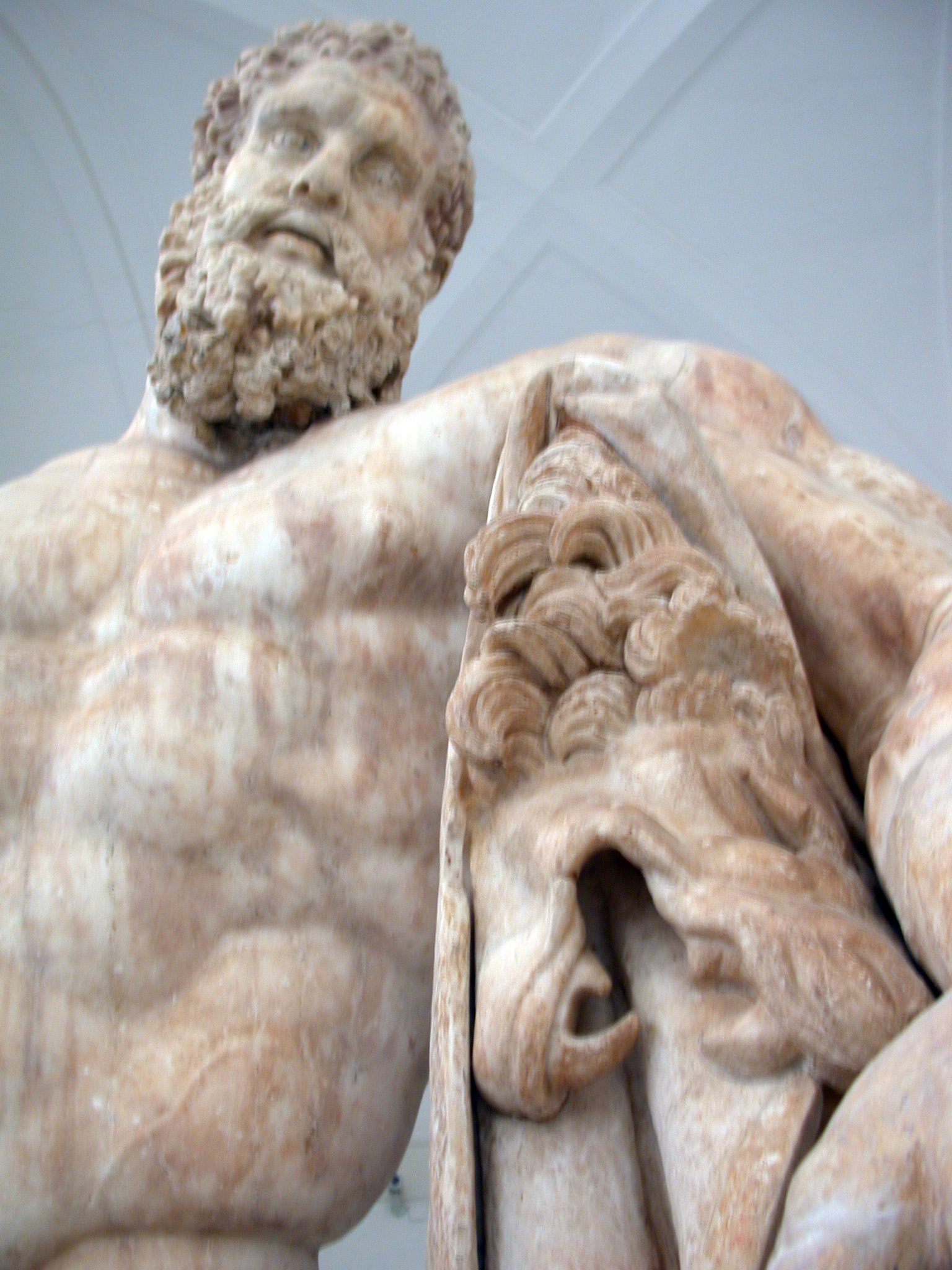
The 1980s witnessed a radical recalibration of heroic masculinity toward hyper-physicality. Arnold Schwarzenegger and Sylvester Stallone embodied this shift with their exaggerated musculature that pushed the boundaries of natural human development. These bodies were achievements of extreme discipline, suggesting that heroism was earned through physical sacrifice. Their characters—Rambo, Conan, Terminator—wore minimal clothing precisely to showcase this physicality: tank tops, combat vests, barbaric loincloths. This aesthetic was intentionally militaristic, reflecting Cold War ideology where American strength had to be visibly superior to communist threats. These heroes solved problems through overwhelming force, representing a unilateral approach to conflict resolution. Villains were often stereotypical foreigners—Soviet soldiers, Southeast Asian guerrillas—making the political subtext explicit. The message was clear: physical dominance equaled moral authority, and America's military might made it the righteous victor.
The transition period of the 1990s and early 2000s introduced more nuanced heroes who challenged the invincibility paradigm. Keanu Reeves as Neo represented a new heroic archetype: lean, agile, and more cerebral than purely physical. His appearance in "The Matrix"—black clothing, sunglasses, a minimalist aesthetic—emphasized style and intelligence over raw power. Bruce Willis's John McClane in "Die Hard" was deliberately ordinary: balding, wisecracking, wearing a dirty undershirt rather than a costume. These heroes bled, made mistakes, and questioned their missions. They fought against corrupt corporations, oppressive systems, and existential threats rather than simple foreign enemies. Villains became more sophisticated—Alan Rickman's Hans Gruber was educated, charming, and had economic motivations audiences could understand if not condone. This reflected growing skepticism about institutional authority, corporate power, and military interventionism following Vietnam and Watergate. The heroes' vulnerability suggested that courage meant persisting despite fear and imperfection rather than being fearless and flawless.
Contemporary heroes like John Wick represent the full embodiment of the antihero trend. Keanu Reeves's physique in these films is athletic but not exaggerated, emphasizing functional strength for his meticulously choreographed combat. His appearance is crucial: impeccably tailored suits that suggest professionalism, tattoos that hint at a criminal past, a beard that marks him as rugged rather than clean-cut. He's an assassin operating within an elaborate underground economy, making him complicit in the criminal world he navigates. His motivation is purely personal—vengeance for his murdered dog—rather than protecting society. Yet audiences root for him because he follows a personal code even while breaking societal laws. Villains are often mirror images of the hero, making it difficult to distinguish who deserves victory. This reflects contemporary disillusionment with institutions, moral relativism, and the recognition that violence is often about personal trauma rather than noble causes. The evolution from Superman's incorruptible idealism to John Wick's professional brutality illustrates how heroes have transformed from aspirational symbols to complex reflections of our morally ambiguous world.