


Nostalgia Marketing

MIM Logo
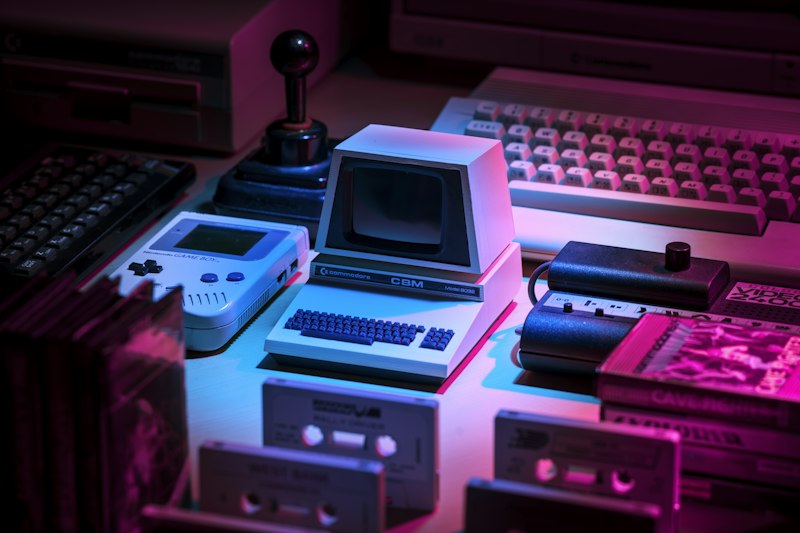
Retro gaming and nostalgia

What is Nostalgia Marketing?

Nostalgia marketing is a strategy that uses memories and emotions from the past to connect with consumers. Brands tap into feelings of nostalgia to create emotional bonds with their products. This approach is especially effective with millennials who grew up in the 1980s and 1990s and now have purchasing power.

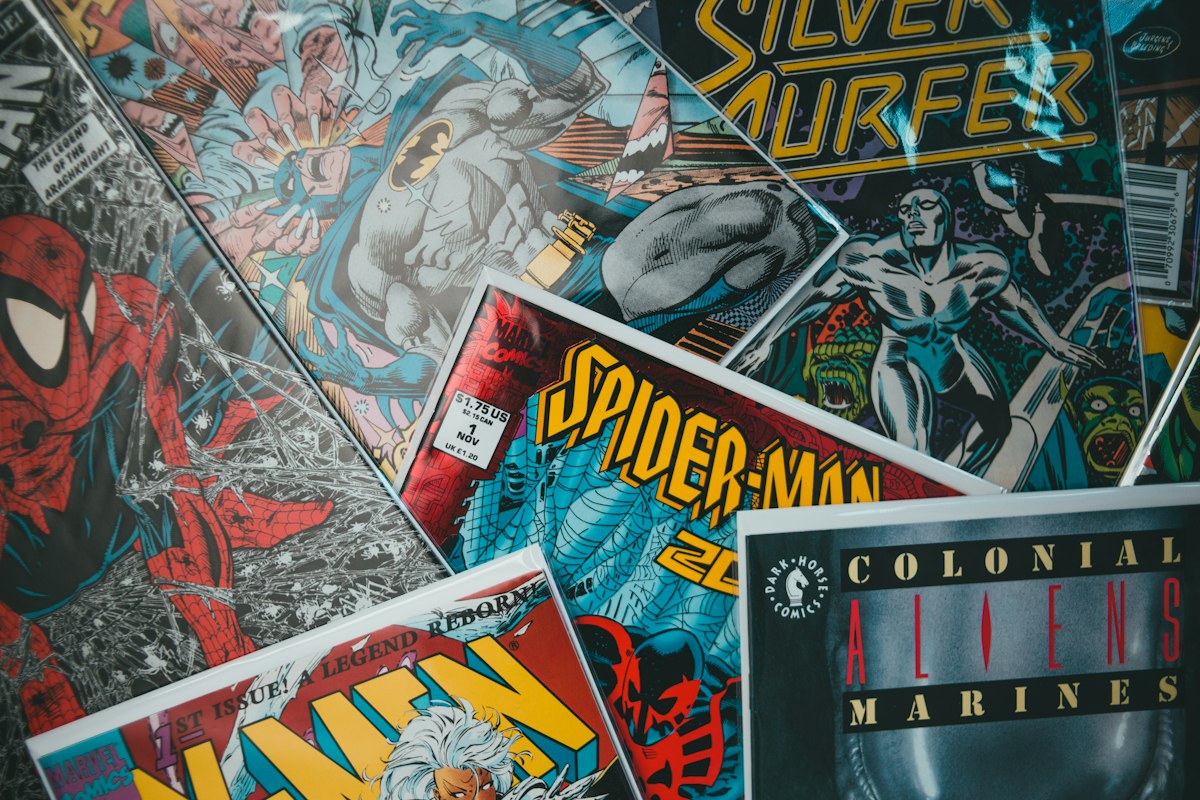
Vintage toys and collectibles

The Millennial Target Market

Brands that once focused on children are now pivoting to target adults. Why?

  • Millennials have disposable income
  • They seek emotional connections with brands
  • Nostalgia triggers powerful purchasing decisions
  • Adults are willing to pay premium prices for childhood memories
Adult with vintage items

Brand Examples

Major brands have embraced nostalgia marketing:

  • Pokemon: Trading cards now valued at thousands of dollars
  • LEGO: Complex sets designed for adult collectors
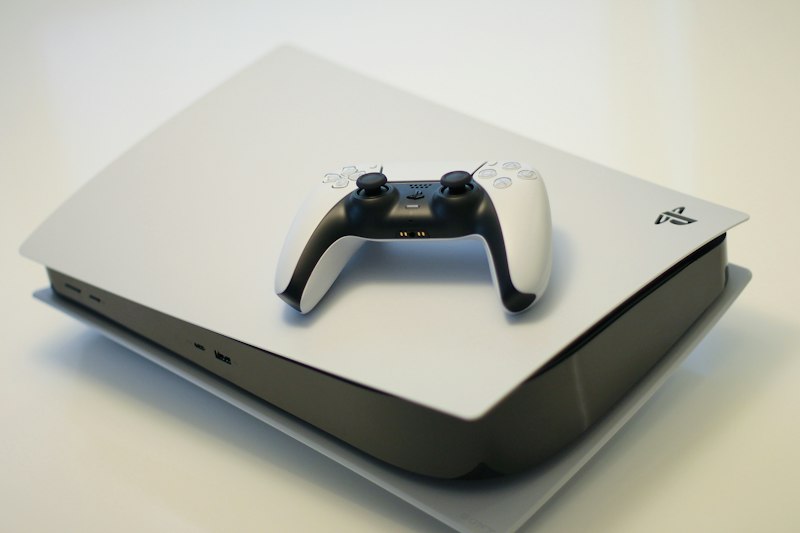
  • Nintendo: Classic consoles and retro game releases
  • Disney: Live-action remakes of animated classics
Pokemon cards

The Psychology Behind It

Nostalgia marketing works because:

  • It creates a sense of comfort and security
  • Positive memories trigger emotional responses
  • Childhood brands build brand loyalty
  • Adults seek to recapture simpler times
Nostalgic memories

Reading Practice

Pokemon: From Playground to Investment

In the 1990s, Pokemon cards were popular with children. Kids collected them, traded them, and played games with them. Today, these same cards are worth thousands of dollars. Adults who played with Pokemon as children are now buying the cards again.

Why are adults buying children's toys? The answer is nostalgia. When people see Pokemon cards, they remember happy times from their childhood. These positive feelings make them want to buy the cards.

Some rare Pokemon cards sell for over $300,000. People see them as investments, not just toys.

LEGO Builds for Adults

LEGO was always a toy for children. But now, LEGO makes special sets for adults. These sets have thousands of pieces and take many hours to build. They cost much more than regular LEGO sets.

Why does LEGO make sets for adults? Because adults have money and time. They remember playing with LEGO as children. Now they want to recapture those happy memories.

LEGO's adult sets include famous buildings, movie scenes, and art pieces. Some sets cost over $800. Adults enjoy the therapeutic experience of building.

Nintendo's Retro Strategy

Nintendo understands nostalgia marketing very well. The company released classic game consoles like the NES Classic and SNES Classic. These are smaller versions of old gaming systems from the 1980s and 1990s.

These retro consoles sold out immediately. Adults wanted to play the games they loved as children. Nintendo also brings back old games for modern systems.

The strategy works because it combines old memories with new technology. Players get the games they remember, but with better graphics and convenience.

Disney's Live-Action Magic

Disney has made many live-action versions of classic animated films. Movies like "The Lion King," "Aladdin," and "Beauty and the Beast" were remade with real actors or realistic computer graphics.

Who watches these movies? Parents who saw the original films as children bring their own children to watch the new versions. This creates a multi-generational audience.

The remakes earn billions of dollars. They succeed because they give adults a chance to share their childhood memories with their children. This emotional connection is more valuable than any advertising.

Video: Nostalgia Marketing Explained

Speaking Practice

Discussion Questions: Personal Experience

  • What products from your childhood do you still feel nostalgic about?
  • Have you ever bought something because it reminded you of your childhood?
  • Which brands successfully use nostalgia to market to your generation?
  • Do you think nostalgia marketing is manipulative or clever?
People discussing

Critical Thinking Questions

  • Is it ethical for companies to exploit childhood memories for profit?
  • How does nostalgia marketing differ across cultures?
  • Will Gen Z respond to nostalgia marketing the same way millennials do?
  • Can nostalgia marketing become too excessive and lose its effectiveness?
Business discussion

Brand Analysis

  • Compare how Pokemon, LEGO, Nintendo, and Disney use nostalgia differently.
  • Which brand's nostalgia strategy is most effective? Why?
  • Can you think of other brands successfully using nostalgia marketing?
  • What mistakes do brands make when trying to capitalize on nostalgia?
Brand analysis

Future Trends

  • How will nostalgia marketing evolve in the next 10 years?
  • What products from today will become nostalgia items in 20 years?
  • Will digital products (apps, games) create the same nostalgia as physical items?
  • How might virtual reality change nostalgia marketing?
Future technology

Vocabulary

Nostalgia
A sentimental longing for the past
Target demographic
The specific group aimed at by marketing
Brand loyalty
Customer commitment to repurchase a brand
Pivot
A significant change in strategy
Retro
Imitating styles from the past
Campaign
A coordinated series of marketing activities
Disposable income
Money available after taxes and necessities
Collectibles
Items valued by collectors
Premium pricing
Setting prices higher than competitors
Leverage
Use something to maximum advantage
Monetize
Earn revenue from something
Capitalize
Take advantage of an opportunity
Evoke
Bring strong feelings to mind
Recapture
Experience something from the past again
Therapeutic
Having a healing or calming effect
Resonance
The power to evoke emotions
Imprinted
Firmly established in memory
Cultivate
Develop or nurture over time

Interactive Quiz

Question 1 of 10

Writing Task

Analyze a Nostalgia Marketing Campaign

Choose one brand (Pokemon, LEGO, Nintendo, Disney, or another) and write an analysis of their nostalgia marketing strategy. Consider: Who is their target audience? How do they evoke nostalgia? Is their approach effective? What are the ethical considerations?

When you're ready to submit your work, click the button below to open the submission form.