










Understanding Neurodivergency

An Interactive Learning Experience

Select Your Level

B1
Intermediate
★★
B2
Upper-Intermediate
★★★
C1
Advanced
Powered by MIM Language Services

Understanding Neurodivergency

Level: B2 (click to change)
Understanding Neurodivergency

What is Neurodivergency?

Neurodivergency means that people's brains work in different ways. Some brains work differently from most people. We call these people neurodivergent. This is not a bad thing - it is just different.

The word "neurodiversity" means that there are many types of brains, and all types are normal. People with autism, ADHD, and dyslexia are neurodivergent. Rather than seeing these differences as problems, neurodiversity says they are a natural part of being human.

Neurodivergency refers to natural variations in how human brains work. The term recognises that there is no single "correct" way for a brain to function. People whose brains work differently from what society considers "typical" are called neurodivergent.

This includes people with autism, ADHD, dyslexia, and other neurological differences. The neurodiversity movement has fundamentally changed how we understand these differences - rather than viewing them as deficits to be corrected, the neurodiversity paradigm recognises them as natural variations in human cognition.

The concept of neurodiversity represents a paradigm shift from the traditional medical model of disability. Where the medical model frames neurological differences as pathologies requiring treatment, the neurodiversity framework positions them as natural variations that have always existed within the human population.

These variations may actually confer evolutionary advantages. This reconceptualisation challenges deeply embedded assumptions about what constitutes "normal" cognition.

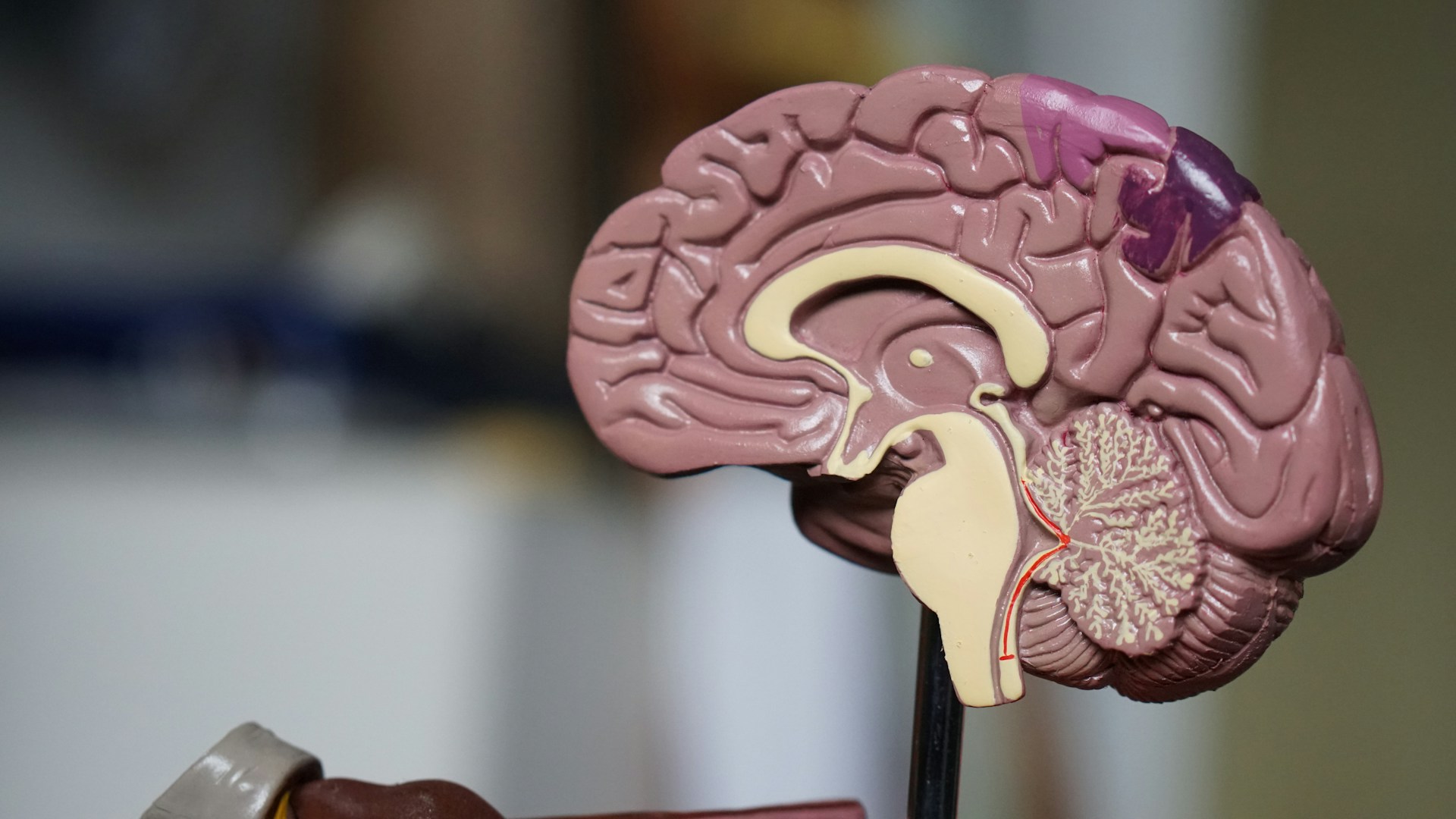
Brain illustration

Autism as a Spectrum

Autism is described as a "spectrum" because it affects people in many different ways. Some autistic people are very good at talking and making friends, but find loud noises very difficult. Others might have amazing memory but find social situations hard.

Autistic people often notice small details that others miss. They might have a favourite topic that they know very well. Some autistic people don't like loud noises or bright lights.

Autism is described as a "spectrum" because it affects people in vastly different ways. The spectrum is not a line from "mild" to "severe" - instead, think of it as a colour wheel with many different dimensions.

One autistic person might excel at verbal communication but struggle with sensory processing. Another might have exceptional memory but find social situations overwhelming. What autistic people share is a different way of experiencing the world - often more intensely than others.

The spectrum conceptualisation of autism has evolved considerably since its inception. Contemporary understanding rejects the notion of a linear progression from "high-functioning" to "low-functioning" - terms now widely considered reductive and pejorative.

Instead, autism is increasingly understood as a multidimensional profile where an individual may present with vastly different abilities across domains such as social communication, sensory processing, executive function, and verbal expression. This heterogeneity explains why autistic individuals can appear so different from one another.

Colorful spectrum

Understanding ADHD

ADHD means Attention Deficit Hyperactivity Disorder. People with ADHD have lots of energy and many ideas. They can be very creative. Sometimes they find it hard to sit still or wait their turn.

People with ADHD don't lack attention - they often struggle to direct it where needed. They may focus very hard on interesting tasks but find boring tasks extremely difficult.

ADHD (Attention Deficit Hyperactivity Disorder) affects how people regulate attention, impulses, and energy levels. Despite the name, people with ADHD don't lack attention - they often struggle to direct it where needed.

They may hyperfocus intensely on interesting tasks while finding routine tasks extremely difficult. ADHD brains often seek stimulation and novelty, leading to creativity and quick thinking, but also challenges with organisation and time management.

ADHD presents similar complexity to autism. The nomenclature itself is contested - "deficit" implies something lacking, when in reality ADHD brains simply allocate attention differently.

The ability to hyperfocus on stimulating activities whilst struggling with mundane tasks reflects differences in dopaminergic reward systems, not moral failing or insufficient effort. ADHD affects how people regulate attention, impulses, and energy levels through differences in dopamine regulation that affect motivation and attention.

Focus and attention

Masking

Masking is when neurodivergent people hide their natural behaviours to seem "normal." This takes a lot of energy. Many neurodivergent people learn to copy what other people do so they fit in.

But pretending to be someone you are not is very tiring. Over time, masking can make people feel exhausted and unhappy.

Many neurodivergent people engage in "masking" - hiding their natural behaviours to fit in with neurotypical expectations. While this can help in certain situations, chronic masking often leads to burnout and mental health challenges.

Masking is especially common in women, who may not receive a diagnosis because their masking makes their differences less visible. Increasingly, advocates argue for accommodation rather than assimilation.

The phenomenon of masking - also termed "camouflaging" - has received considerable research attention. Studies indicate that chronic masking correlates strongly with anxiety, depression, and suicidal ideation, particularly among autistic women, who historically have been underdiagnosed due to presenting differently from the male-centric diagnostic criteria.

While masking can facilitate social navigation, it suppresses authentic self-expression and exacts a considerable psychological toll. The implications extend beyond individual wellbeing to broader questions about societal expectations and the pressure to assimilate.

Masking and authenticity

Sensory Experiences

Many neurodivergent people experience things differently through their senses. Some people find loud sounds, bright lights, or certain textures very uncomfortable. A busy shopping centre might feel overwhelming.

Other people might need more sensory input and enjoy strong flavours or firm pressure. Understanding these differences helps us create better spaces for everyone.

Many neurodivergent people experience sensory information differently. What seems normal to one person might be overwhelming to another. Sensory sensitivities can affect all five senses - light, sound, touch, taste, and smell.

Some people are hypersensitive (over-responsive) while others are hyposensitive (under-responsive). These sensory differences are not preferences - they reflect genuine neurological differences in how the brain processes information.

Sensory processing differences constitute a fundamental aspect of many neurodivergent experiences. These differences operate across a spectrum from hypersensitivity to hyposensitivity, affecting proprioception, vestibular processing, and interoception alongside the conventional five senses.

The neurological basis of these differences has been well-established, with research demonstrating altered connectivity in sensory processing regions of the brain. Environmental modifications that accommodate these differences represent a relatively straightforward yet profoundly impactful intervention.

Sensory experience

Strengths and Challenges

Neurodivergent people often have unique strengths. They see the world in interesting ways. Many are very creative, good at solving problems, or excellent at noticing details.

Some famous scientists, artists, and business people are neurodivergent. Neurodivergent minds often bring new ideas and different ways of thinking to a team.

Neurodivergent people often share certain traits that can be both challenging and advantageous. Neurodivergent minds often bring unique strengths: pattern recognition, creative problem-solving, attention to detail, honest communication, and the ability to think outside conventional boundaries.

Many successful scientists, artists, and entrepreneurs are neurodivergent. The workplace is gradually adapting to neurodiversity, recognising that neurodivergent employees often bring unique and valuable innovation.

Neurodivergent cognition frequently confers distinctive capabilities: enhanced pattern recognition, novel problem-solving approaches, meticulous attention to detail, and the capacity to challenge conventional thinking.

These strengths have contributed significantly to human progress - numerous innovations in science, technology, art, and commerce can be attributed to neurodivergent thinkers. Forward-thinking organisations increasingly recognise that cognitive diversity enhances collective intelligence and drives innovation.

Teamwork and diversity

Communication Differences

Neurodivergent people may communicate in different ways. Some people are very direct and honest. Others might prefer writing instead of talking. Some might find it hard to understand jokes or sarcasm.

These are not wrong ways to communicate - they are just different. We can all learn to communicate better with each other.

Neurodivergent people may communicate differently - more directly, or through different channels like writing instead of speaking. Autistic people, for example, may struggle with implied meaning and prefer explicit, clear communication.

People with ADHD might interrupt not from rudeness but because their thoughts move quickly. Understanding these differences allows us to adapt our communication for different people and build more effective relationships.

Communication differences represent a significant dimension of neurodivergent experience. Autistic individuals frequently favour direct, literal communication, which can be misconstrued as bluntness within neurotypical frameworks that privilege indirect, contextually-dependent expression.

Similarly, the communicative patterns associated with ADHD - tangential thinking, interruption, and rapid topic-switching - reflect neurological processing differences rather than social deficiency. Recognising communication as a bidirectional responsibility represents a more equitable paradigm.

Communication

Support and Accommodation

Accommodations are changes that help neurodivergent people succeed. These might include:

  • Quiet spaces to work
  • Written instructions instead of spoken ones
  • Flexible schedules
  • Noise-cancelling headphones
  • Extra time for tasks

Small changes can make big differences for neurodivergent people.

Accommodations are changes made to help neurodivergent people participate fully and succeed. These might include flexible schedules, quiet spaces, written instructions, or sensory-friendly environments.

Rather than expecting neurodivergent individuals to simply "try harder," accommodations recognise that the environment plays a crucial role. Should students with ADHD get extra time on tests? Many educators argue yes, as time pressure disproportionately affects ADHD brains.

The implications for society are profound. Rather than expecting neurodivergent individuals to assimilate into neurotypical norms, the neurodiversity movement advocates for environmental and societal adaptations that enable all neurotypes to thrive.

This represents not merely accommodation but a fundamental reimagining of what we consider "normal" human cognition. Effective accommodations address the interaction between individual differences and environmental demands, recognising that disability is often a product of poor environmental fit rather than inherent deficit.

Support and accommodation

Creating Inclusive Spaces

An inclusive world is better for everyone. When we design spaces and rules for different kinds of people, we help everyone. Here are some things we can do:

  • Learn about neurodiversity
  • Ask people what they need
  • Be patient and understanding
  • Celebrate differences
  • Create quiet spaces in schools and offices

An inclusive society benefits everyone. When we design for diversity, we create better environments for all people. Universal design principles - creating environments accessible to the widest range of people - often benefit everyone, not just those they were designed for.

Becoming a better ally to neurodivergent people starts with education, empathy, and a willingness to adapt.

Creating genuinely inclusive environments necessitates a paradigmatic shift from individual adaptation to systemic redesign. Universal design principles offer a compelling framework: environments designed to accommodate the widest possible range of human variation inherently benefit all users.

This extends beyond physical space to encompass pedagogical approaches, workplace cultures, and social norms. The ultimate aspiration of the neurodiversity movement transcends mere tolerance or accommodation, envisioning a society that genuinely valorises cognitive diversity.

Inclusive community

Key Takeaways

Remember these main points about neurodivergency:

  • Brains are different: Everyone's brain works in its own way
  • Not a problem: Being neurodivergent is not bad - it's just different
  • Many strengths: Neurodivergent people have unique abilities
  • Be understanding: Small changes can help everyone
  • Celebrate diversity: Different minds make the world better

Essential points about neurodivergency to remember:

  • Natural variation: Neurodiversity is a natural part of human biology
  • Spectrum thinking: Conditions like autism and ADHD affect people in many different ways
  • Masking has costs: Hiding neurodivergent traits causes stress and burnout
  • Accommodation matters: Environmental changes help neurodivergent people thrive
  • Unique strengths: Neurodivergent minds bring valuable perspectives and skills

Salient principles of neurodiversity:

  • Paradigm reconceptualisation: Neurological differences represent natural variation, not pathology
  • Multidimensional profiles: Reject linear conceptualisations in favour of nuanced, individualised understanding
  • Masking consequences: Chronic camouflaging exacts significant psychological costs
  • Environmental responsibility: Disability often reflects environmental barriers rather than individual deficits
  • Cognitive diversity value: Neurodivergent perspectives drive innovation and enrich collective problem-solving
Key Takeaways

Lesson Complete!

Continue Your Learning

Vocabulary Flashcards

Neurodivergent
Click to see definition
Having a brain that works differently from most people
Autism
Click to see definition
A condition that affects how people communicate and experience the world
ADHD
Click to see definition
Attention Deficit Hyperactivity Disorder - affects focus and energy
Spectrum
Click to see definition
A range of different things, from one extreme to another
Unique
Click to see definition
The only one of its kind; special
Creative
Click to see definition
Good at thinking of new ideas
Strengths
Click to see definition
Things someone is good at
Normal
Click to see definition
Usual, typical, or expected
Independently
Click to see definition
Without needing help from others
Inclusive
Click to see definition
Including everyone; welcoming to all
Accommodation
Click to see definition
Changes made to help someone
Sensory
Click to see definition
Relating to the senses: sight, sound, touch, taste, and smell
Neurotypical
Click to see definition
Having a brain that functions in the way society considers typical
Masking
Click to see definition
Hiding natural behaviours to appear more neurotypical
Hyperfocus
Click to see definition
Very intense concentration on one thing
Stimming
Click to see definition
Repetitive movements or sounds used for self-regulation
Executive Function
Click to see definition
Brain skills for planning, organizing, and completing tasks
Burnout
Click to see definition
Extreme exhaustion from prolonged stress
Regulate
Click to see definition
Control or manage something
Paradigm
Click to see definition
A way of thinking about something
Dyslexia
Click to see definition
A learning difference that affects reading and spelling
Innovation
Click to see definition
New ideas and methods
Stimulation
Click to see definition
Something that causes interest or excitement
Sensory Processing
Click to see definition
How the brain handles information from the senses
Pathologies
Click to see definition
Conditions viewed as diseases or disorders
Cognition
Click to see definition
The mental process of thinking and understanding
Heterogeneity
Click to see definition
Diversity; being made up of different things
Nomenclature
Click to see definition
A system of names or terms
Assimilate
Click to see definition
Become similar to; absorb into
Correlates
Click to see definition
Is connected with
Multidimensional
Click to see definition
Having many different aspects
Pejorative
Click to see definition
Expressing disapproval
Paradigm Shift
Click to see definition
A fundamental change in thinking
Reductive
Click to see definition
Oversimplifying complex things
Confer
Click to see definition
Give or provide
Inception
Click to see definition
The beginning of something
Implications
Click to see definition
Possible effects or results
Valorises
Click to see definition
Gives value or importance to something

Vocabulary Quiz

Question 1 of 10

Writing Practice

Neurodiversity and Society

Think about neurodiversity and inclusion in your daily life.

Write 150-250 words discussing one of these topics: Why is it important to understand that people's brains work differently? How can schools, workplaces, or society be more accommodating to neurodivergent people? What strengths might neurodivergent people bring to a team?

Use vocabulary from the lesson in your response.