











Lean Manufacturing

An Interactive Learning Experience

Select Your Level

B1
Intermediate
★★
B2
Upper-Intermediate
★★★
C1
Advanced
Powered by MIM Language Services

Lean Manufacturing

Level: B2 (click to change)
Lean Manufacturing
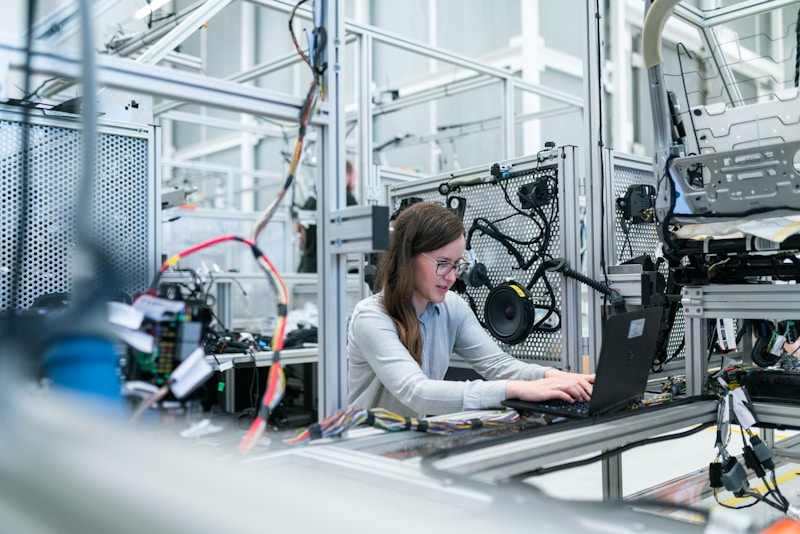
Factory

What is Lean Manufacturing?

Lean manufacturing is a way to make products better and faster. The main idea is simple: remove waste. Waste is anything that does not help the customer. If something takes time but doesn't make the product better, it is waste. Toyota in Japan created this system. Now factories all over the world use lean manufacturing.

Lean manufacturing is a methodology focused on minimizing waste while maximizing productivity. The core principle is straightforward: eliminate any activity that doesn't add value from the customer's perspective. Developed by Toyota in post-war Japan, this approach has revolutionized manufacturing globally. Lean thinking challenges traditional mass production by focusing on efficiency and continuous improvement.

Lean manufacturing represents a paradigm shift in production philosophy, fundamentally oriented toward the systematic elimination of waste whilst optimizing value creation. The methodology operates on a deceptively simple premise: any activity that fails to contribute directly to customer value constitutes waste and should be eradicated. Pioneered by Toyota in the aftermath of World War II, this approach has since permeated manufacturing sectors worldwide, fundamentally reconceptualizing traditional mass production paradigms.

Lean Manufacturing

The Toyota Production System

After World War II, Japan was very poor. Toyota could not afford to waste anything. Two men, Taiichi Ohno and Eiji Toyoda, created a new way to make cars. They called it the Toyota Production System (TPS).

The main ideas were simple: make only what customers need, when they need it. Don't keep extra inventory. Stop and fix problems immediately. Ask workers for ideas to make things better.

The Toyota Production System emerged from necessity. Post-war Japan lacked the resources for traditional mass production. Engineers Taiichi Ohno and Eiji Toyoda developed a revolutionary approach that would later become known as "lean manufacturing."

TPS introduced concepts like just-in-time production, where parts arrive exactly when needed, and jidoka (automation with a human touch), which empowers any worker to stop the production line when they spot a defect. This was radically different from Western mass production.

The Toyota Production System emerged from the constraints of post-war Japan, where resource scarcity necessitated unprecedented efficiency. Engineers Taiichi Ohno and Eiji Toyoda pioneered a production methodology that would fundamentally reconceptualize manufacturing philosophy globally.

TPS introduced seminal concepts including just-in-time production—the synchronization of material flow with actual demand—and jidoka, which democratizes quality control by empowering frontline workers to halt production upon detecting anomalies. This represented a paradigm shift from traditional Western mass production models.

Toyota Production

The Seven Wastes (Muda)

In Japanese, muda means waste. Toyota found seven types of waste in factories:

  • Transport: Moving things from place to place
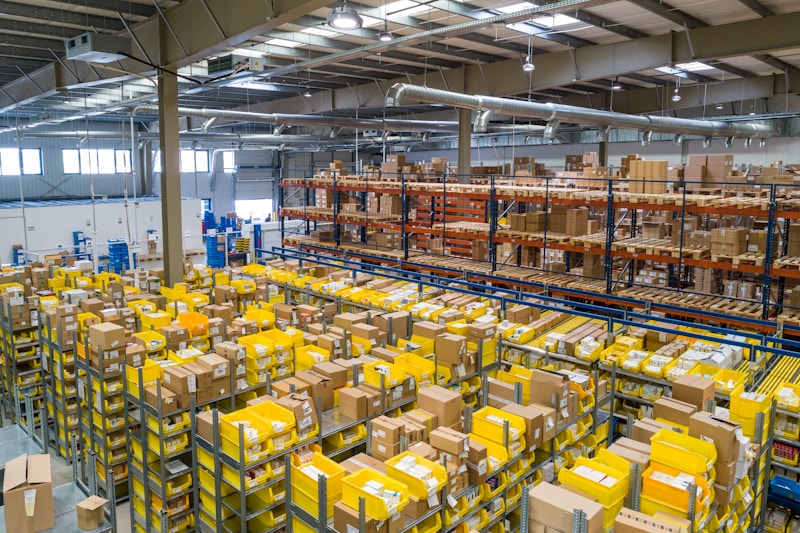
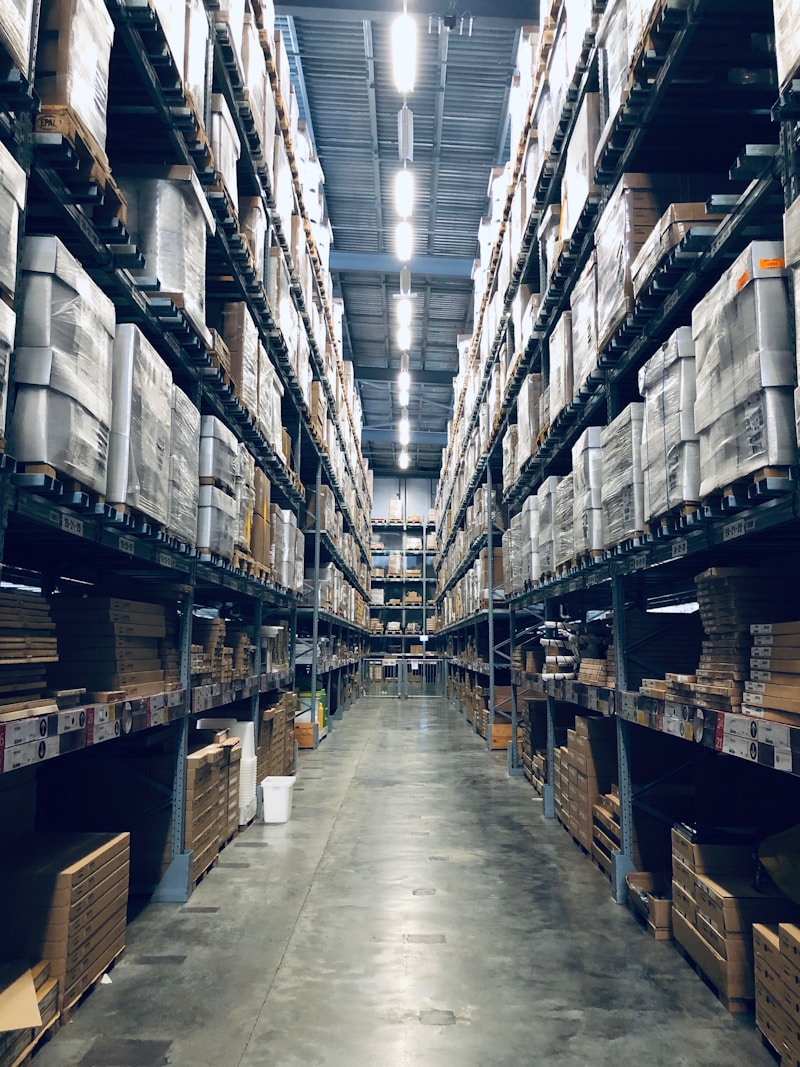
  • Inventory: Keeping too many materials or products
  • Motion: Workers moving around too much
  • Waiting: People or machines doing nothing
  • Overproduction: Making more than customers need
  • Over-processing: Doing more work than necessary
  • Defects: Making products with mistakes

Central to lean thinking is the concept of muda (waste). Toyota identified seven categories of waste that add cost without adding value:

  • Transport: Unnecessary movement of materials between processes
  • Inventory: Excess stock that ties up capital and space
  • Motion: Unnecessary movement by workers
  • Waiting: Idle time when resources are not being utilized
  • Overproduction: Making more than customer demand requires
  • Over-processing: Performing unnecessary operations
  • Defects: Products requiring rework or scrapping

Fundamental to lean philosophy is the concept of muda—a Japanese term encompassing waste, futility, and purposelessness. Toyota's taxonomy identifies seven canonical categories:

  • Transport: Superfluous material conveyance between processes
  • Inventory: Excessive stock representing immobilized capital and spatial inefficiency
  • Motion: Non-value-adding worker movement
  • Waiting: Resource dormancy during production cycles
  • Overproduction: Output exceeding actual demand—considered the most egregious waste
  • Over-processing: Superfluous operations beyond specification requirements
  • Defects: Non-conforming products necessitating rework or disposal
Seven Wastes

Just-in-Time (JIT)

Just-in-Time means making things only when customers want them. Don't make products and keep them in a warehouse. Instead, make them when someone orders them. This saves money because you don't need big storage spaces. You also don't waste materials making things nobody buys.

Think of a restaurant: a good cook doesn't make 100 meals in the morning and hope customers come. The cook makes each meal when someone orders it.

Just-in-Time production is a cornerstone of lean manufacturing. The principle is to produce only what is needed, when it is needed, and in the quantity needed. This approach eliminates the costs associated with maintaining large inventories and reduces the risk of obsolescence.

JIT requires precise coordination with suppliers and careful demand forecasting. When implemented correctly, it dramatically reduces lead times and working capital requirements.

Just-in-Time production constitutes a cornerstone of lean methodology, embodying the principle of producing precisely what is required, precisely when required, in precisely the quantities demanded. This approach obviates the capital immobilization inherent in maintaining substantial inventory buffers whilst mitigating obsolescence risk.

Successful JIT implementation necessitates meticulous supplier coordination and sophisticated demand prognostication. When executed proficiently, JIT dramatically attenuates lead times and working capital requirements.

Just-in-Time

Kaizen (Continuous Improvement)

Kaizen is a Japanese word. "Kai" means change, and "zen" means good. Together it means "change for better" or continuous improvement. The idea is simple: every day, try to make something a little bit better.

In lean factories, everyone can suggest improvements - not just managers. A worker might notice a faster way to do a task. This small change helps the whole company. Many small improvements add up to big results!

Kaizen represents the philosophy of continuous, incremental improvement. Rather than waiting for major innovations, kaizen encourages all employees to constantly look for small improvements in their daily work.

This democratic approach to improvement has profound effects: workers feel empowered and engaged, problems are identified early, and the cumulative effect of thousands of small improvements can be transformative.

Kaizen embodies the philosophy of continuous, incremental amelioration. Rather than awaiting transformative innovations, kaizen cultivates an organizational culture wherein every employee actively identifies opportunities for marginal improvements in their quotidian operations.

This democratized approach to process enhancement yields manifold benefits: heightened employee engagement and autonomy, early anomaly detection, and the compounding effect of myriad incremental improvements which can prove profoundly transformative over time.

Kaizen

The 5S Methodology

5S is a way to keep your workplace organized. The five S words are Japanese:

  • Seiri (Sort): Remove things you don't need
  • Seiton (Set in order): Put everything in the right place
  • Seiso (Shine): Keep everything clean
  • Seiketsu (Standardize): Make rules for keeping things organized
  • Shitsuke (Sustain): Keep doing these things every day

5S is a systematic approach to workplace organization. Each "S" represents a step toward creating an efficient, safe, and sustainable work environment:

  • Seiri (Sort): Eliminate unnecessary items from the workspace
  • Seiton (Set in order): Arrange necessary items for easy access
  • Seiso (Shine): Clean the workspace and equipment regularly
  • Seiketsu (Standardize): Establish protocols to maintain organization
  • Shitsuke (Sustain): Embed these practices into daily routines

5S constitutes a systematic methodology for workplace organization and standardization. Each element contributes to creating an efficient, ergonomically optimized environment:

  • Seiri (Sort): Systematically eliminate superfluous items from the workspace
  • Seiton (Set in order): Configure essential items for optimal accessibility
  • Seiso (Shine): Maintain immaculate workspace conditions
  • Seiketsu (Standardize): Codify organizational protocols
  • Shitsuke (Sustain): Institutionalize these practices as organizational norms
5S Methodology

Kanban System

Kanban means "sign" or "card" in Japanese. It's a simple way to control production. When a worker needs more parts, they send a kanban card to the previous station. This tells them: "Please make more parts."

It's like a restaurant kitchen. The waiter gives a ticket to the cook. The cook only makes food when there is a ticket. No ticket = no cooking. This prevents making too much food.

Kanban is a visual scheduling system that controls the logistics of production. Physical cards or digital signals trigger the movement of materials and the start of production activities.

This "pull system" ensures that production is driven by actual demand rather than forecasts. Each kanban represents a specific quantity and acts as a work order, preventing overproduction and maintaining optimal inventory levels.

Kanban constitutes a visual scheduling mechanism that orchestrates production logistics through signal-based communication. Physical cards or electronic analogues precipitate material movement and production initiation.

This "pull system" ensures production cadence remains tethered to actual demand rather than speculative forecasts. Each kanban represents a discrete quantity authorization, effectively preventing overproduction whilst maintaining optimal work-in-progress levels.

Kanban System

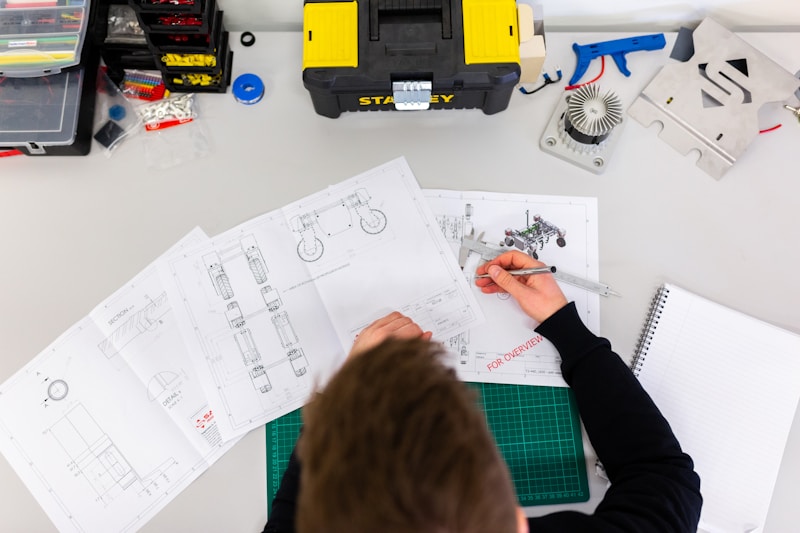
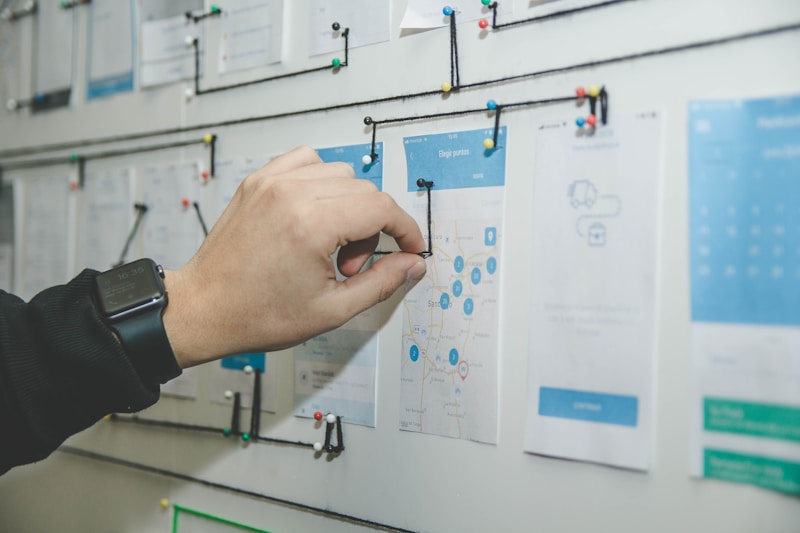
Value Stream Mapping

Value stream mapping is like drawing a picture of how you make something. You write down every step from start to finish. Then you can see:

  • Where is the waste? Which steps take time but don't help the customer?
  • Where are the bottlenecks? Which steps are too slow?
  • What can we remove? Which steps are not necessary?

Value Stream Mapping (VSM) is a lean technique for visualizing the entire production process. It documents every step required to deliver a product, including:

  • Process steps: All activities from raw materials to finished product
  • Information flow: How data and orders move through the system
  • Time metrics: Cycle times, wait times, and lead times

By creating a visual map, teams can identify waste and design a more streamlined future state.

Value Stream Mapping (VSM) constitutes a lean diagnostic technique for holistically visualizing production processes. It delineates every activity requisite for product delivery:

  • Process taxonomy: Comprehensive activity enumeration from raw material to finished goods
  • Information architecture: Data and order flow pathways
  • Temporal metrics: Cycle times, queue durations, and aggregate lead times

This visualization enables teams to pinpoint value-destroying activities and architect optimized future-state configurations.

Value Stream Mapping

Poka-Yoke (Error-Proofing)

Poka-yoke means "mistake-proofing" in Japanese. The idea is to design things so that mistakes are impossible or easy to find.

  • Example 1: USB cables only fit one way. You cannot plug them in wrong.
  • Example 2: Your car won't start unless you press the brake pedal. This prevents accidents.
  • Example 3: A machine stops automatically if a part is missing.

Poka-yoke refers to techniques that make it impossible to make mistakes or make errors immediately detectable. There are two types:

  • Prevention: Design that makes errors physically impossible (a SIM card that only fits one way)
  • Detection: Mechanisms that alert operators to errors (sensors that detect missing components)

Poka-yoke shifts quality control from inspection after production to prevention during production.

Poka-yoke encompasses techniques rendering errors either physically impossible or immediately discernible. The methodology bifurcates into two categories:

  • Prevention mechanisms: Design configurations that preclude error occurrence (asymmetric connectors)
  • Detection mechanisms: Systems that instantaneously identify anomalies (presence sensors, weight verification)

This approach fundamentally reorients quality assurance from post-production inspection to in-process prevention.

Poka-Yoke

Benefits of Lean Manufacturing

Lean manufacturing helps companies in many ways:

  • Save money: Less waste means lower costs
  • Better quality: Finding problems early means fewer defects
  • Faster delivery: Products are made quickly when customers order them
  • Happier workers: Employees can share their ideas and see improvements

Properly implemented lean manufacturing delivers substantial benefits:

  • Cost reduction: Eliminating waste directly improves profit margins
  • Quality improvement: Built-in quality and early defect detection reduce rework costs
  • Shorter lead times: Streamlined processes enable faster customer response
  • Employee engagement: Kaizen empowers workers to contribute meaningfully
  • Flexibility: Lean systems can adapt quickly to changing demand

Rigorously implemented lean manufacturing yields multifaceted organizational benefits:

  • Cost attenuation: Waste elimination directly augments profit margins
  • Quality enhancement: Integrated quality mechanisms minimize defect propagation
  • Lead time compression: Streamlined processes expedite customer fulfillment
  • Workforce galvanization: Participatory improvement cultures enhance engagement
  • Operational agility: Lean systems exhibit superior demand responsiveness
Benefits of Lean

Challenges of Lean Manufacturing

Lean manufacturing is not easy. Many companies try and fail. Here are some common problems:

  • Change is hard: People don't like to change how they work. They might resist new methods.
  • Takes time: You can't become lean in one day. It needs patience and commitment.
  • Supply chain risk: With less inventory, if a supplier has a problem, your factory might stop.

Implementing lean manufacturing presents significant challenges:

  • Cultural resistance: Changing established work practices requires overcoming deeply ingrained habits
  • Management commitment: Lean requires long-term thinking; pressure for quick results often undermines implementation
  • Supply chain vulnerability: Reduced inventory buffers increase exposure to supplier disruptions
  • Training investment: Successful lean requires extensive employee education

Lean implementation encounters formidable organizational obstacles:

  • Cultural inertia: Entrenched practices resist modification; behavioral change necessitates sustained effort
  • Leadership perseverance: The protracted nature of lean transformation conflicts with short-term performance pressures
  • Supply chain fragility: Attenuated inventory buffers amplify vulnerability to supplier disruptions
  • Capability development: Lean proficiency demands substantial investment in workforce development
Challenges of Lean

Lean Beyond Manufacturing

Lean ideas work in many places, not just factories:

  • Hospitals: Lean helps patients wait less and get better care
  • Offices: Less paperwork, faster decisions
  • Software: Teams use "Agile" methods, which come from lean thinking
  • Your home: You can use 5S to organize your room!

Lean principles have transcended manufacturing to permeate diverse sectors:

  • Healthcare: Lean reduces patient wait times and improves clinical outcomes
  • Service industries: Banks, insurers, and governments use lean to improve processes
  • Software development: Agile and DevOps methodologies derive from lean principles
  • Construction: "Lean construction" reduces project delays and cost overruns

Lean principles have proliferated beyond manufacturing to permeate heterogeneous sectors:

  • Healthcare: Lean interventions attenuate patient wait times and enhance clinical outcomes
  • Service industries: Financial institutions and governmental entities leverage lean to optimize transactional processes
  • Software development: Agile and DevOps paradigms represent lean philosophy instantiated in digital contexts
  • Construction: "Lean construction" methodologies mitigate schedule slippage and budget exceedances
Lean Beyond Manufacturing

Case Study: Toyota's Success

Toyota started small. After World War II, it was just a small Japanese company. American car companies were much bigger and made more cars. But Toyota used lean methods and grew steadily.

By 2008, Toyota became the world's largest car maker! How? By focusing on quality and removing waste. Every worker could stop the assembly line if they found a problem. This made Toyota cars very reliable.

Toyota's trajectory from a small post-war company to the world's largest automaker exemplifies lean manufacturing's potential.

Key success factors included:

  • Relentless focus on quality: The "andon cord" system let any worker stop production
  • Respect for people: Workers are seen as assets, not costs
  • Long-term thinking: Prioritizing sustainable growth over short-term profits

Toyota's ascendancy from a nascent post-war enterprise to global automotive hegemony epitomizes lean manufacturing's transformative potential.

Critical success factors included:

  • Unwavering quality orientation: The andon cord system democratized quality control
  • Human capital valorization: Workers construed as organizational assets rather than expendable resources
  • Temporal horizon extension: Privileging sustainable growth over immediate returns
Toyota Success

Common Mistakes in Lean Implementation

Many companies fail when trying lean. Here are mistakes to avoid:

  • Copying without understanding: You can't just copy Toyota. You must understand WHY they do things.
  • Only using tools: Lean is not just about kanban cards or 5S. It's a way of thinking.
  • Forgetting people: Lean works because of people, not just systems.

Lean implementation frequently fails due to misconceptions:

  • Superficial copying: Implementing lean tools without understanding the underlying philosophy
  • Tool obsession: Focusing on techniques (5S, kanban) while neglecting cultural transformation
  • Cost-cutting focus: Using lean primarily for layoffs destroys employee trust and engagement
  • Top-down imposition: Mandating lean without genuine leadership commitment

Lean implementations frequently founder due to fundamental misconceptions:

  • Superficial emulation: Implementing lean artifacts absent philosophical assimilation
  • Tool fetishism: Privileging technique deployment over cultural metamorphosis
  • Cost myopia: Instrumentalizing lean for workforce reduction eviscerates employee trust
  • Hierarchical mandate: Imposing lean without authentic leadership advocacy
Common Mistakes

Key Takeaways

Remember these main points about lean manufacturing:

  • Waste is the enemy: Find waste and remove it
  • Respect people: Workers have the best ideas for improvement
  • Never stop improving: Kaizen means getting better every day
  • Make only what's needed: Don't produce more than customers want
  • Quality first: Fix problems immediately, don't pass them on

Essential lean manufacturing principles to remember:

  • Value definition: Understand what customers truly value and eliminate everything else
  • Flow optimization: Create smooth, uninterrupted production flows
  • Pull systems: Let customer demand drive production, not forecasts
  • Continuous improvement: Embrace kaizen as an ongoing journey, not a destination
  • Respect for people: Develop and engage employees as the foundation of lean success

Salient lean manufacturing principles:

  • Value articulation: Rigorously define customer value and extirpate non-value-adding activities
  • Flow optimization: Establish seamless, unimpeded production flows
  • Demand-driven production: Subordinate production cadence to actual customer demand
  • Perpetual amelioration: Conceptualize kaizen as an asymptotic journey toward perfection
  • Human capital primacy: Cultivate employee development as the bedrock of sustainable lean transformation
Key Takeaways

Lesson Complete!

Continue Your Learning

Vocabulary Flashcards

Lean
Click to see definition
A system that reduces waste and improves efficiency
Waste
Click to see definition
Anything that does not add value or is not needed
Toyota
Click to see definition
A Japanese car company that created the lean system
Production
Click to see definition
The process of making or growing goods to be sold
Inventory
Click to see definition
All the goods and materials that a business has in stock
Muda
Click to see definition
The Japanese word for waste or uselessness
Kaizen
Click to see definition
A Japanese word meaning continuous improvement
Continuous
Click to see definition
Happening without stopping; ongoing
Organized
Click to see definition
Arranged in a neat and efficient way
Defect
Click to see definition
A fault or problem in something
Quality
Click to see definition
How good or bad something is
Supplier
Click to see definition
A company that provides goods to another company
Warehouse
Click to see definition
A large building where goods are stored
Reliable
Click to see definition
Consistently good in quality; dependable
Methodology
Click to see definition
A system of methods used in a particular area of study or activity
Productivity
Click to see definition
The rate at which goods are produced or work is completed
Efficiency
Click to see definition
The ability to do something well without wasting time or resources
Just-in-Time
Click to see definition
A system where materials arrive exactly when needed, not before
Jidoka
Click to see definition
Automation with a human touch; machines that stop when problems occur
Lead Time
Click to see definition
The time between starting and completing a process
Incremental
Click to see definition
Increasing gradually by small amounts
Empowered
Click to see definition
Given the authority or power to do something
Kanban
Click to see definition
A visual scheduling system using cards or signals to control production
Value Stream
Click to see definition
All the steps needed to deliver a product or service to a customer
Poka-Yoke
Click to see definition
A Japanese term meaning mistake-proofing or error-proofing
Streamlined
Click to see definition
Made more efficient by removing unnecessary elements
Paradigm
Click to see definition
A typical example or pattern of something; a model
Eradicated
Click to see definition
Completely destroyed or removed
Permeated
Click to see definition
Spread throughout something
Scarcity
Click to see definition
A situation in which something is not easy to find or get
Pioneered
Click to see definition
Developed or was the first to use new methods
Taxonomy
Click to see definition
A system for classifying things
Superfluous
Click to see definition
Unnecessary; more than what is needed
Egregious
Click to see definition
Outstandingly bad; shocking
Obviate
Click to see definition
To remove or prevent a difficulty
Meticulous
Click to see definition
Showing great attention to detail
Manifold
Click to see definition
Many and various
Inertia
Click to see definition
A tendency to do nothing or remain unchanged
Proliferated
Click to see definition
Increased rapidly in number
Ascendancy
Click to see definition
The state of being dominant or in control
Amelioration
Click to see definition
The act of making something better
Formidable
Click to see definition
Inspiring fear or respect through being impressively powerful

Vocabulary Quiz

Question 1 of 10

Writing Practice

Lean Manufacturing in Your Life

Think about a process in your workplace, school, or home that could be improved using lean principles.

Write 150-250 words describing the process and how you would apply lean concepts to improve it. Use vocabulary from the lesson (waste, kaizen, 5S, just-in-time, value stream, etc.) in your response.

Consider: What types of waste exist in this process? Which lean tool or principle would be most helpful? What benefits would you expect from these changes?